
Managing September's disruptive behaviour: A calm start to a productive year
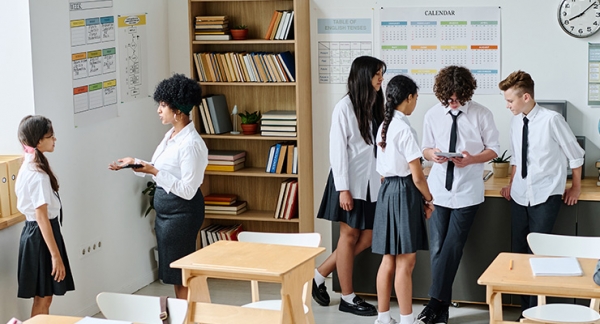
As schools reopen in September, teachers often find themselves facing a unique challenge: re-establishing expectations while managing a sudden spike in disruptive behaviour. After six weeks away from structured routines, even the most well-behaved students can return unsettled, distracted, or defiant.
So how can educators set the tone early without overreacting or burning out? Here's a guide to navigating September’s behaviour bumps with confidence and calm.
1. Reset expectations: Don’t assume they remember
Even returning students benefit from a clear reintroduction to rules, routines, and classroom culture. Start from the beginning:
- Re-establish classroom agreements collaboratively.
- Model behaviours you expect, listening, transitioning, raising hands.
- Be explicit and consistent in the first two weeks.
Students need structure to feel secure, especially after a long break. What feels like “going over old ground” is crucial groundwork.
2. Focus on relationships first
Many behavioural issues stem from anxiety, change, or unmet needs. Take time to:
- Greet each student personally each morning.
- Show interest in their holiday or home life.
- Use name games, circle time, or restorative chats to build trust.
Connection builds respect, and respect reduces disruption. The importance of Teacher-Pupil relationships in improving students’ relationships with teachers has important, positive and long-lasting implications for both students’ academic and social development.
3. Be predictable, not punitive
The goal isn’t to clamp down, it’s to be consistent. Students thrive when they know what will happen next. Use:
- Clear routines for transitions and instructions.
- Visual timetables or cues for younger learners.
- Calm consequences that match the behaviour.
Avoid escalating emotionally, being firm doesn’t mean being harsh.
Address low-level disruption early
Don’t ignore persistent chatting, eye-rolling, or refusal to follow small instructions. These can quickly set the tone for the whole class. Instead:
- Use non-verbal cues (eye contact, proximity, pauses).
- Offer choices rather than ultimatums.
- Praise publicly, correct privately.
A calm correction early on can prevent bigger issues later.
Recognise that some pupils struggle with transition
Children with SEND, attachment needs, or anxiety may act out more in September. Watch for:
- Extreme clinginess or defiance
- Withdrawal or refusal to engage
- Frequent outbursts during changeovers
Support these students with clear routines, check-ins, and if possible, transition plans made in collaboration with SENCOs or parents.
Praise what you want to see more of
Instead of focusing on the few who misbehave, catch students doing the right thing. Try:
- “I love how you’ve come in quietly, thank you.”
- Using reward systems for effort, kindness, and resilience.
- Sharing positive calls/emails home early in the term.
Positivity motivates far better than punishment.
Look after yourself too
September is draining. Fatigue can make every disruption feel worse than it is. Protect your energy:
- Set realistic boundaries with workload.
- Debrief with a colleague when a day’s been tough.
- Celebrate small wins, progress over perfection.
You can’t model calm if you’re running on empty.
Education Support is the UK’s only charity solely dedicated to improving the mental health and wellbeing of teachers and education staff, offering a free, 24/7 confidential helpline, tailored services for schools and colleges, and research-driven advocacy to ensure better support for the education workforce.
Disruption in September isn’t failure, it’s normal. With patience, consistency, and empathy, you can create a classroom culture where everyone feels safe, respected, and ready to learn.
The habits you set in the first month will shape the year ahead, so breathe, reset, and take it one day at a time.
Further Support: Behaviour and Classroom Management CPD Courses
If you’d like to deepen your skills and explore proven strategies in more detail, we have a range of CPD courses that provide practical tools to help you build calmer, more focused classrooms. From tackling low-level disruption to developing positive routines and supporting pupils with additional needs, these courses are designed to boost your confidence and effectiveness throughout the school year.
Effective Behaviour Management in the Classroom ↗
Establishing Classroom Routines and Expectations: Growth Mindsets ↗